
The journey of gambling Unraveling its historical evolution
Ancient Origins of Gambling
The history of gambling stretches back to ancient civilizations, where evidence of gambling activities can be found in artifacts dating back thousands of years. The earliest known forms of gambling emerged in China during the Han Dynasty, around 2300 BC, where tiles were used in a rudimentary lottery game. Additionally, ancient Egyptians played games involving dice, reflecting the universal human fascination with chance and risk. Today, you can explore australian casino online for a quintessential example of how the tradition has evolved.

As societies evolved, so did gambling practices. The Greeks and Romans embraced various forms of gambling, from betting on gladiatorial contests to playing games of chance with dice. These early forms of betting laid the groundwork for organized gambling, emphasizing both strategy and luck. The cultural significance of these games showcased a broader acceptance of risk-taking in social settings, a theme that persists in modern gambling culture.
The Middle Ages to the Renaissance
During the Middle Ages, gambling became intertwined with the social fabric of Europe. It was during this time that card games emerged, providing new avenues for players to engage in betting. Games like the early versions of poker and blackjack appeared, stimulating interest across different social classes. The presence of gambling in social gatherings further cemented its role in the entertainment landscape.
The Renaissance sparked a renewed interest in gambling, leading to the establishment of the first official casinos in Italy. These venues became centers for social interaction, combining luxury with the thrill of chance. The transition from informal betting to formal establishments marked a significant evolution in gambling, elevating it to an experience synonymous with leisure and luxury.
The Rise of Modern Gambling
The 18th and 19th centuries saw gambling evolve into a more structured industry. The introduction of state-run lotteries and betting houses illustrated a shift in public perception; gambling was no longer just a pastime for the elite but a widespread activity accessible to the masses. The creation of various games, including roulette and the modern slot machine, transformed gambling into a sophisticated and highly regulated industry.
With the rise of the industrial revolution, gambling gained further popularity, fueled by urbanization and increased leisure time. This period also witnessed the emergence of gambling laws, aimed at curbing illegal activities while legitimizing the industry. Consequently, the framework of gambling regulation began to take shape, ensuring fair play and consumer protection, which remains integral in today’s gambling environment.
The Digital Revolution and Online Gambling
The advent of the internet in the late 20th century revolutionized gambling once again, giving birth to online casinos and sports betting platforms. The convenience of online gambling made it accessible to a broader audience, breaking geographical barriers that once limited participation. Players could now enjoy a variety of games from the comfort of their homes, leading to an explosive growth in the industry.
The digital landscape also introduced innovative features such as live dealer games and mobile gaming applications, enhancing the overall user experience. However, with this growth came regulatory challenges. Governments worldwide began to implement stricter regulations to ensure responsible gambling, leading to a new era focused on player protection and ethical practices.
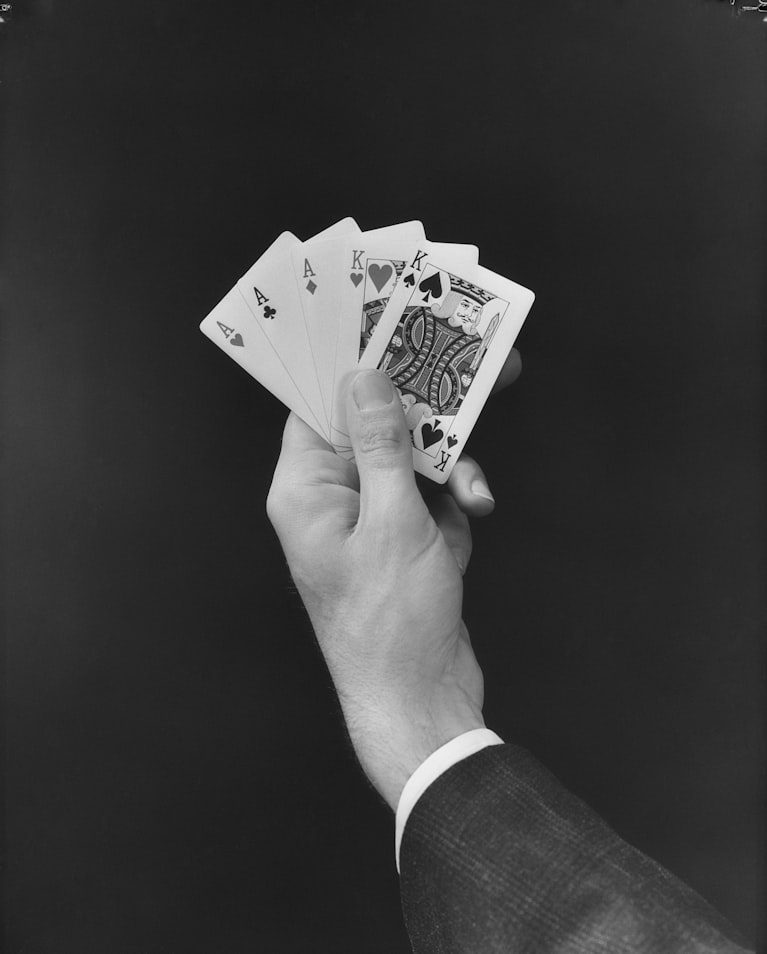
Exploring the Future of Gambling
The future of gambling looks promising, with technological advancements such as virtual reality and artificial intelligence poised to transform the gaming experience further. As these technologies develop, they could offer immersive environments that simulate traditional gambling settings, providing players with an experience that blurs the lines between virtual and physical casinos.
Moreover, as the industry adapts to changing consumer preferences, an emphasis on responsible gambling practices will remain paramount. With continuous developments in regulation and technology, the gambling landscape will likely evolve in ways that enhance both safety and enjoyment for players. This evolution not only reflects the resilience of gambling as a form of entertainment but also its ability to adapt to the demands of modern society.